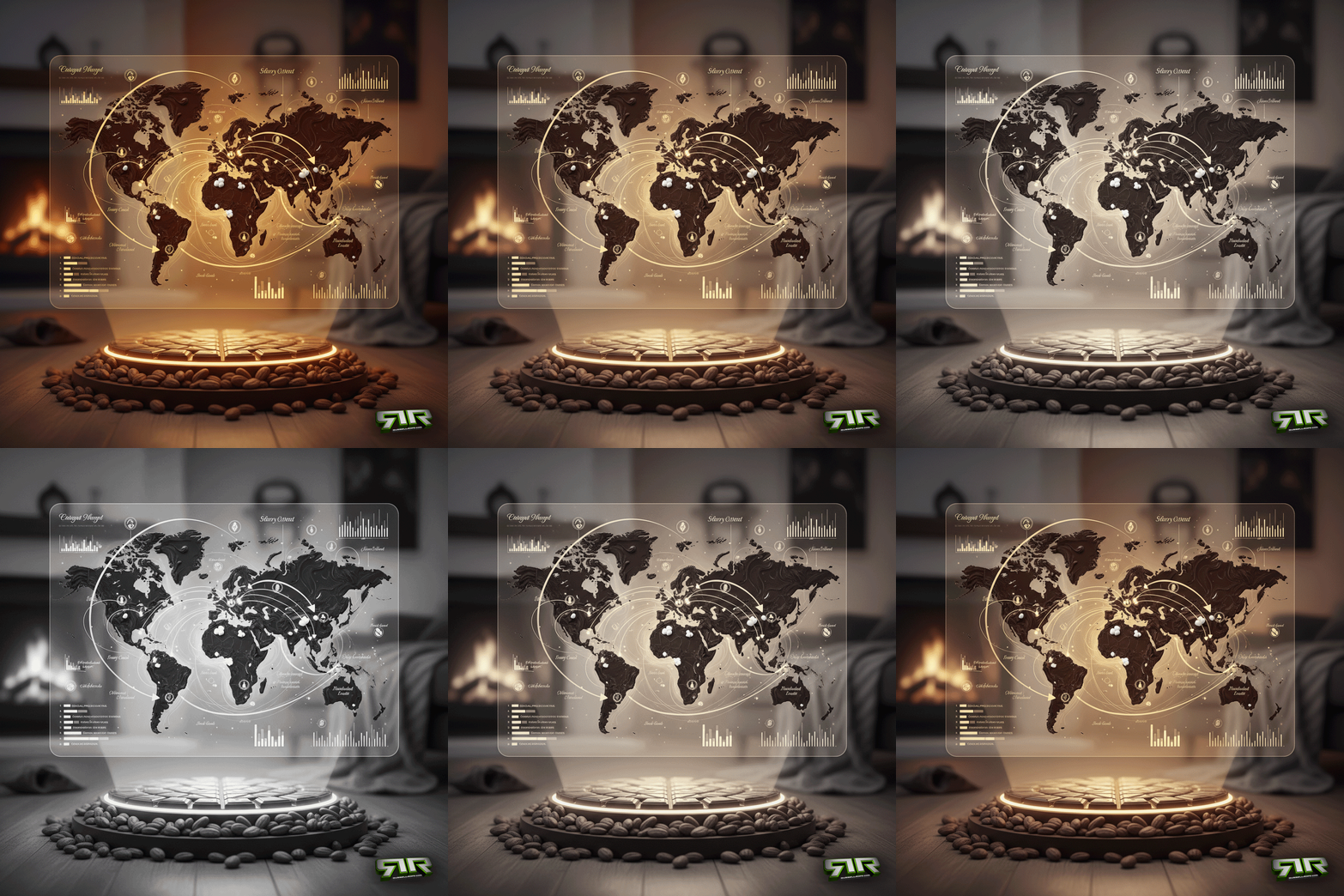
Hot Chocolate Day celebrates indulgence as self-care. More than sweetness, it’s sensory nostalgia—aroma, warmth, and calm blended in harmony.
From ancient Mayan cacao to Parisian cafés, chocolate has long symbolized love, strength, and pleasure. Today, it’s a universal comfort ritual: a pause from pressure, a sip of serenity. Whether spiced, vegan, or spiked, it’s the liquid language of warmth that melts away the cold.
Vibes
Cozy, rich, elegant—comfort made couture.
How to Celebrate
Make gourmet hot chocolate from real cacao
Add chili, cinnamon, or CBD for creative twist
Gift handmade cocoa mixes to friends
Unplug and enjoy a quiet, slow morning
Pulse Check
When was the last time you savored instead of scrolled?
Luxury begins with stillness.
Interesting Facts
Cacao was once used as currency by ancient civilizations.
Dark chocolate increases serotonin and heart health.
Puzzle Day celebrates the creative tension between challenge and clarity. From crossword grids to coding riddles, puzzles train the mind to see hidden systems and connections.
In business, art, and life, every breakthrough begins as a puzzle unsolved. The process sharpens intuition, patience, and pattern recognition—the same skills that shape innovation. Solving isn’t just about answers; it’s about approach.
Vibes
Focused, curious, strategic—calm under complexity.
How to Celebrate
Solve a crossword, Sudoku, or logic puzzle
Host a puzzle night with friends
Try gamified brain training or design a challenge yourself
Apply “puzzle logic” to a real-life issue
Pulse Check
Are you forcing the fit—or finding the pattern?
Solutions reward stillness.
Interesting Facts
The first crossword appeared in 1913.
Puzzle-solving strengthens memory and neuroplasticity.
Even AI models learn pattern-based logic—just like humans.
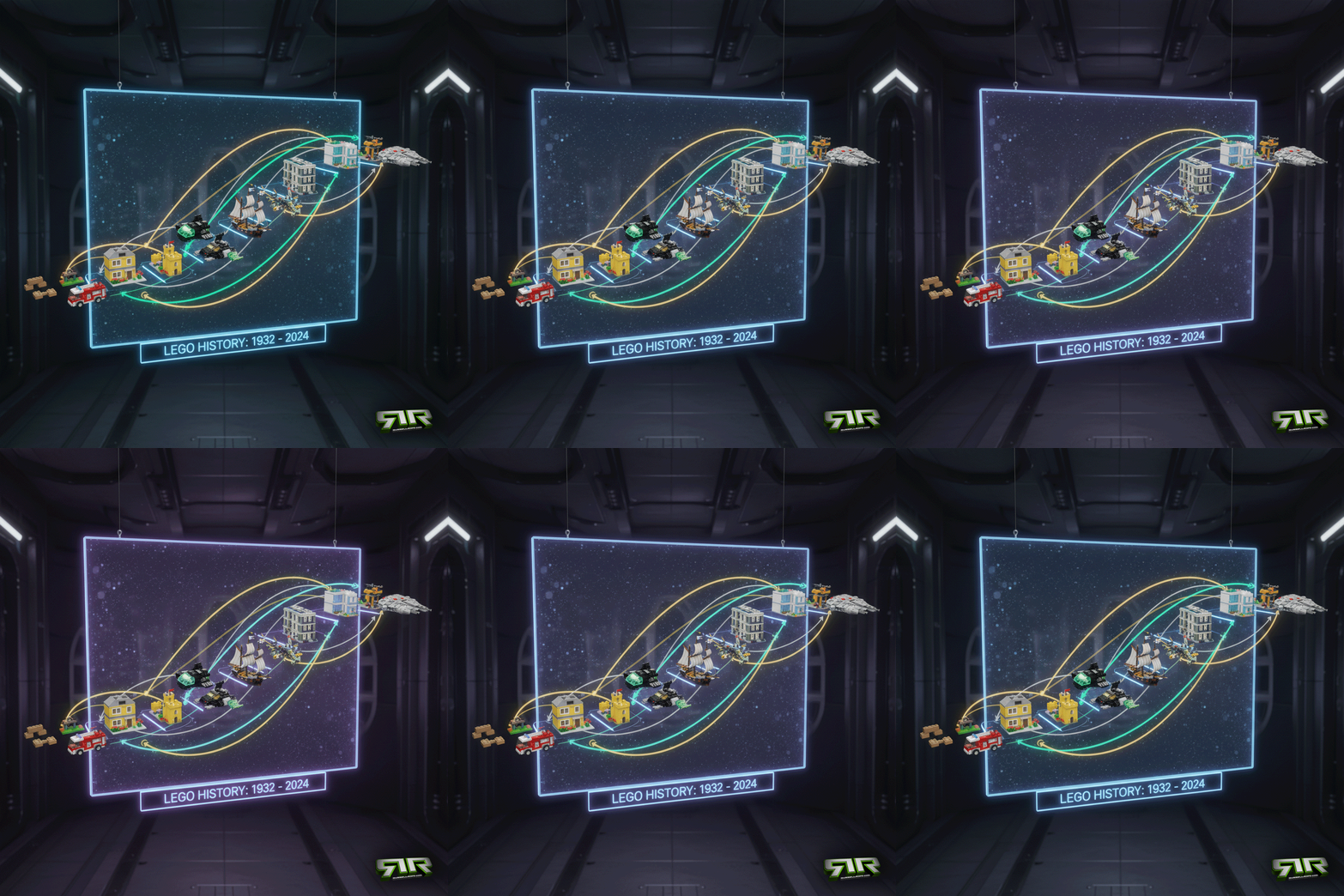
Lego Day celebrates the modular magic of imagination—the art of turning small pieces into big worlds. Since 1958, Lego bricks have sparked engineering dreams, teaching problem-solving through play.
In a digital age, tactile creativity still reigns supreme. Lego unites design and discipline; it teaches that innovation begins with patience and vision. Whether you’re building a tower, coding a robot, or constructing a brand, the principle holds: think modular, dream monumental.
Vibes
Playful, innovative, timeless—construction as creation.
How to Celebrate
Build a new Lego creation solo or with friends
Visit a Lego store or online builder community
Donate bricks to children’s hospitals or schools
Apply the “Lego mindset” to problem-solving at work
Pulse Check
What are you building that lasts beyond fun?
Structure supports imagination.
Interesting Facts
The name Lego comes from Danish “leg godt” meaning “play well.”
Six standard bricks can be combined in over 900 million ways.
Lego is the world’s largest toy company by revenue.
Opposite Day celebrates paradox, play, and the power of perspective. It’s a reminder that innovation often begins with contradiction—by flipping expectations upside down.
Children love it for fun; adults can use it for insight. Saying or doing the opposite tests assumptions, sharpens logic, and frees creativity. This day embodies lateral thinking: when normal doesn’t work, invert it. Sometimes the best way forward is backward.
Vibes
Playful, contrarian, creative—logic turned art.
How to Celebrate
Do daily tasks in reverse order
Challenge yourself to rethink one strong opinion
Write or design something from an opposing viewpoint
Celebrate by doing the opposite of routine
Pulse Check
What rule needs breaking for progress to begin?
Opposition reveals opportunity.
Interesting Facts
The holiday’s exact origin is unknown, adding to its irony.
Used in child psychology to develop cognitive flexibility.
Creative thinkers often employ “inversion” to solve complex problems.
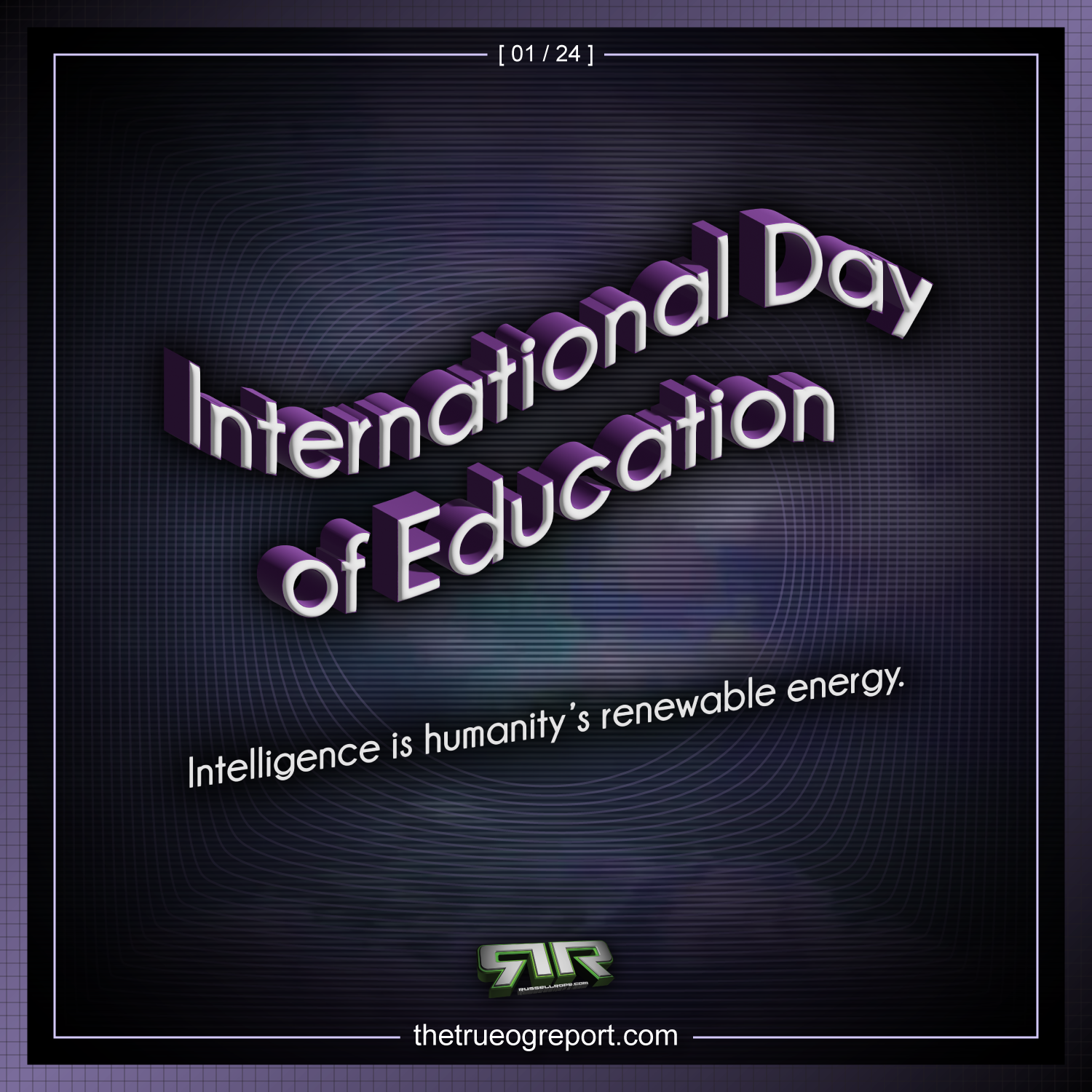
This global day, established by the United Nations, celebrates education as a human right and public good. In 2026, that mission expands to include digital literacy and AI ethics—because intelligence without empathy is dangerous.
Education now extends beyond classrooms into metaverses, simulations, and neural networks. Teachers become guides through infinite data. AI tools, when ethically managed, empower critical thinking and access across borders. This day honors knowledge as the great equalizer—when learning evolves, so does freedom.
Vibes
Empowering, innovative, universal—knowledge with conscience.
How to Celebrate
Share educational resources online
Support digital equity projects or student mentorships
Learn something new using AI for insight, not shortcuts
Reflect on what wisdom means in an algorithmic age
Pulse Check
Are you teaching machines—or are they teaching you?
Education is evolution with purpose.
Interesting Facts
Over 260 million children still lack access to basic education.
AI-assisted learning increases retention by up to 40%.
The UN declared education essential to sustainable peace and growth.
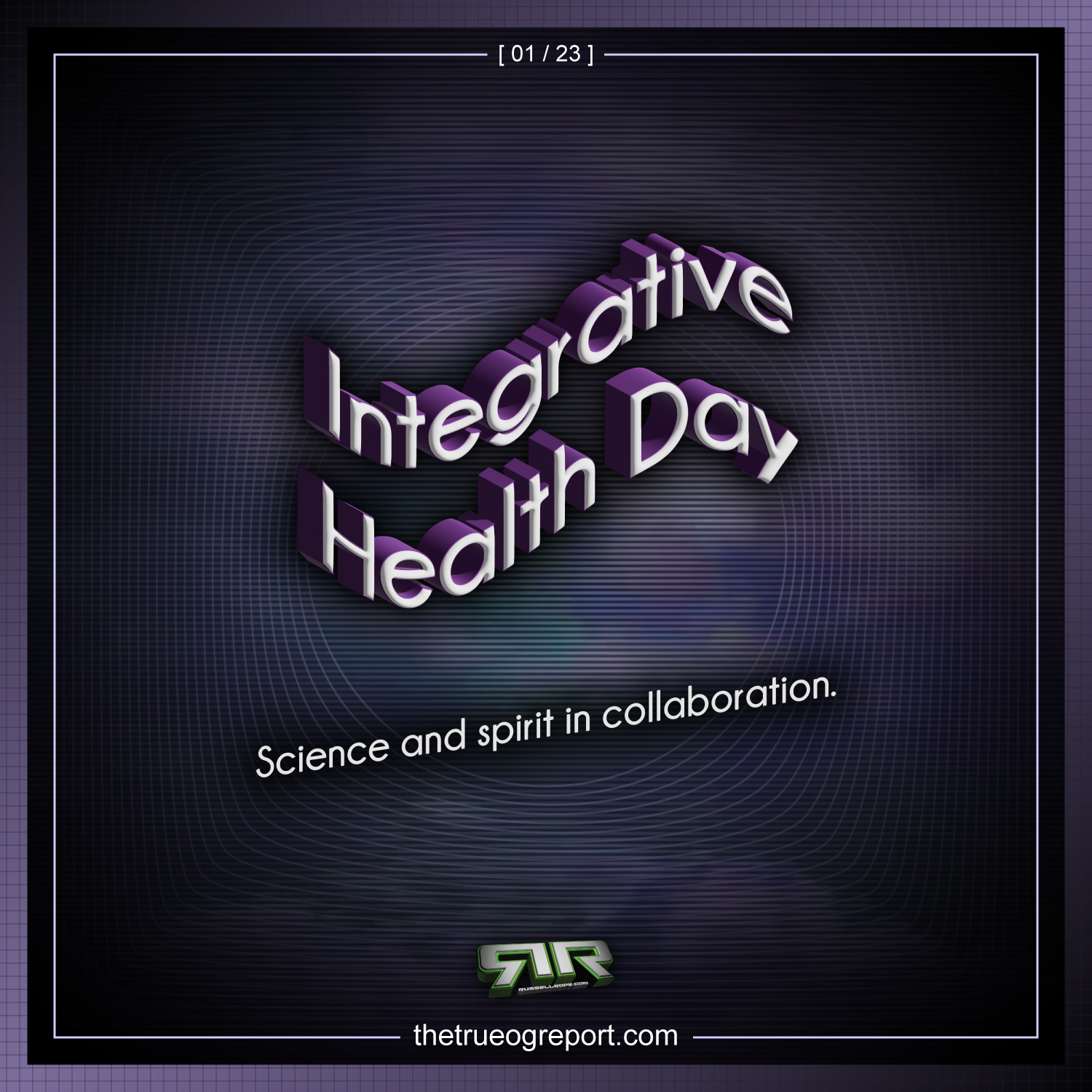
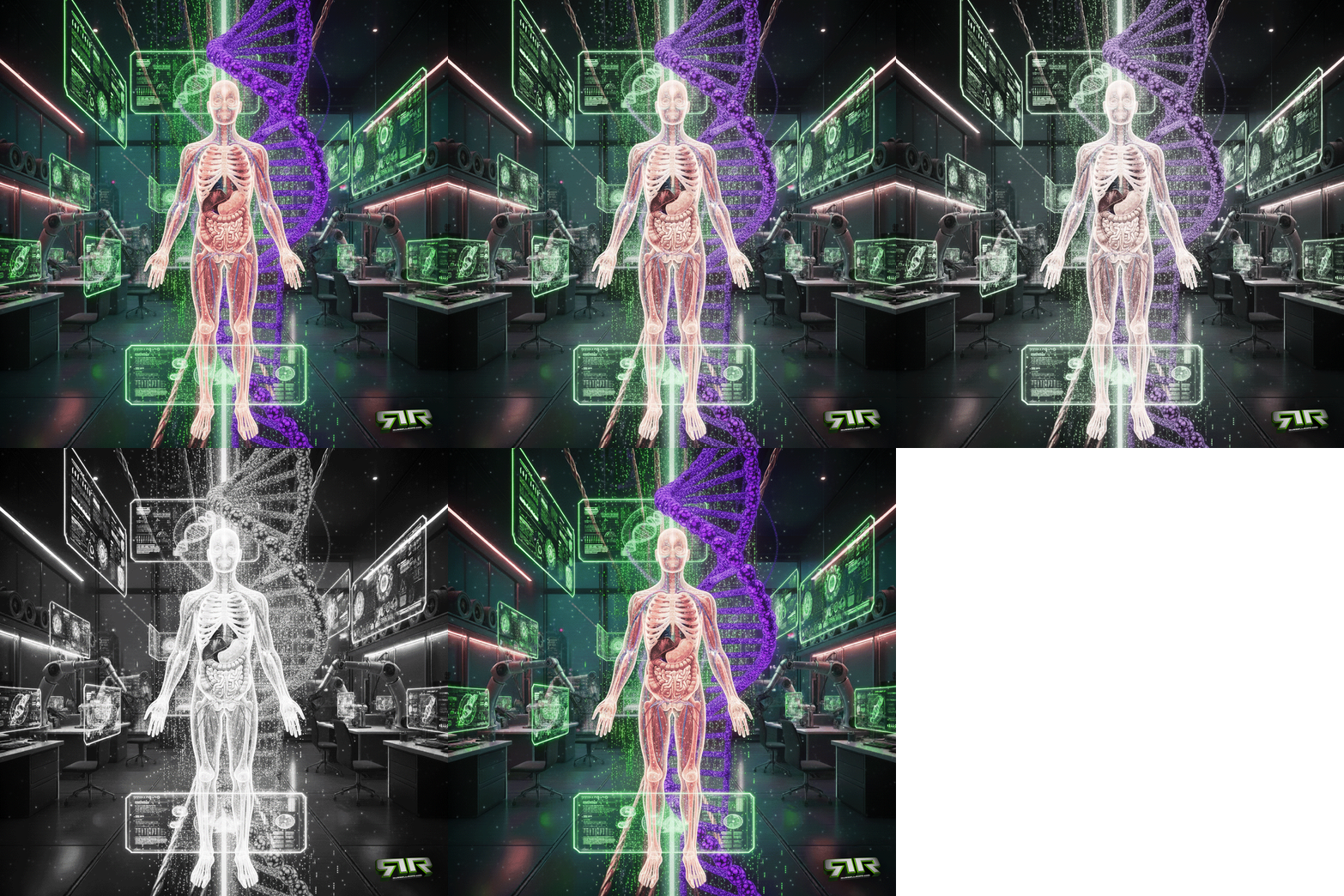
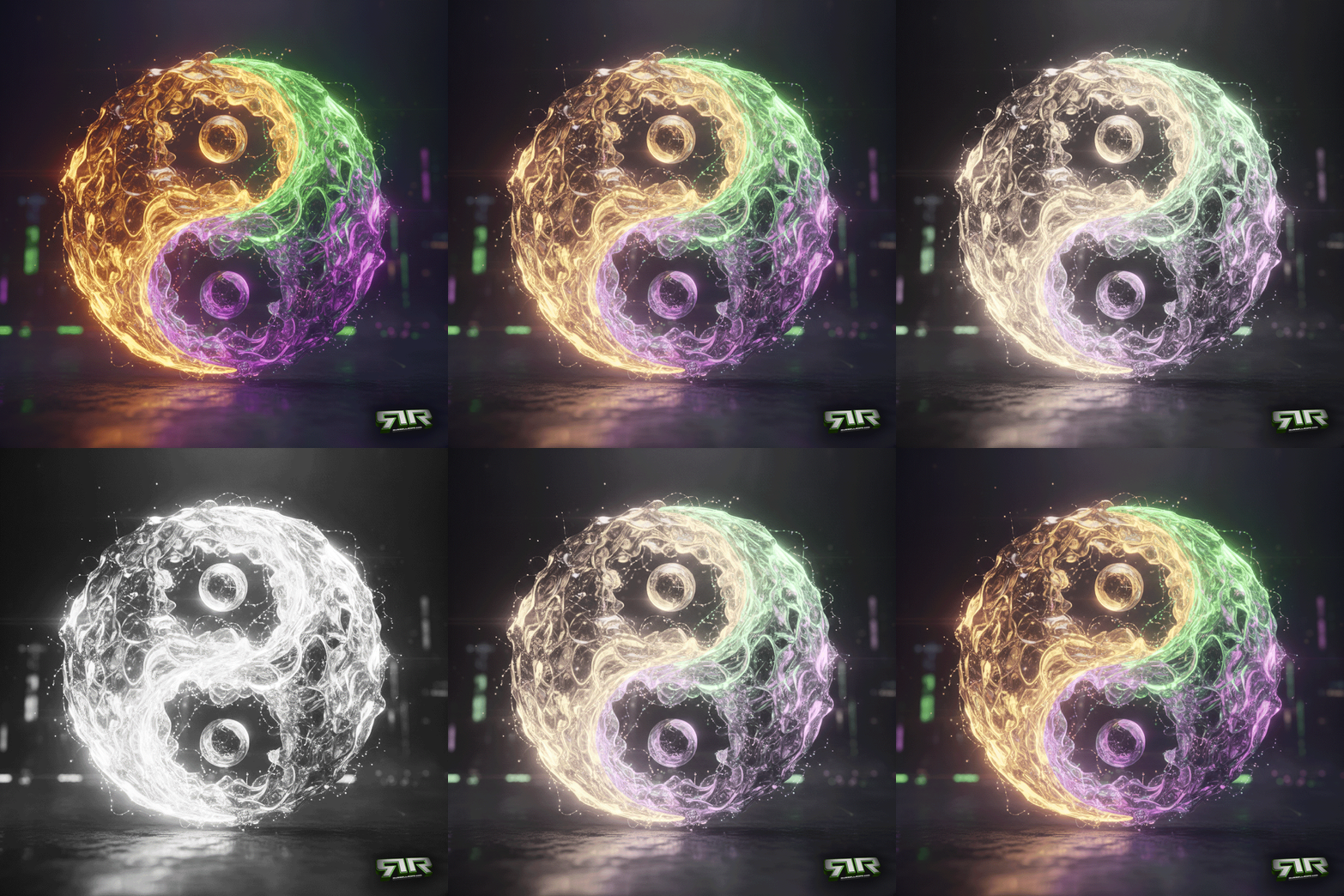
Integrative Health Day unites ancient wisdom and modern medicine. It promotes holistic care—treating body, mind, and soul as one interconnected system. This philosophy now drives innovation across hospitals, wellness retreats, and research labs worldwide.
Where Western medicine treats symptoms, integrative practice seeks root causes. Acupuncture meets neuroscience, meditation meets biofeedback, herbal therapy meets pharmacology. This day encourages balance, personalization, and prevention over reaction. Health isn’t just clinical—it’s creative.
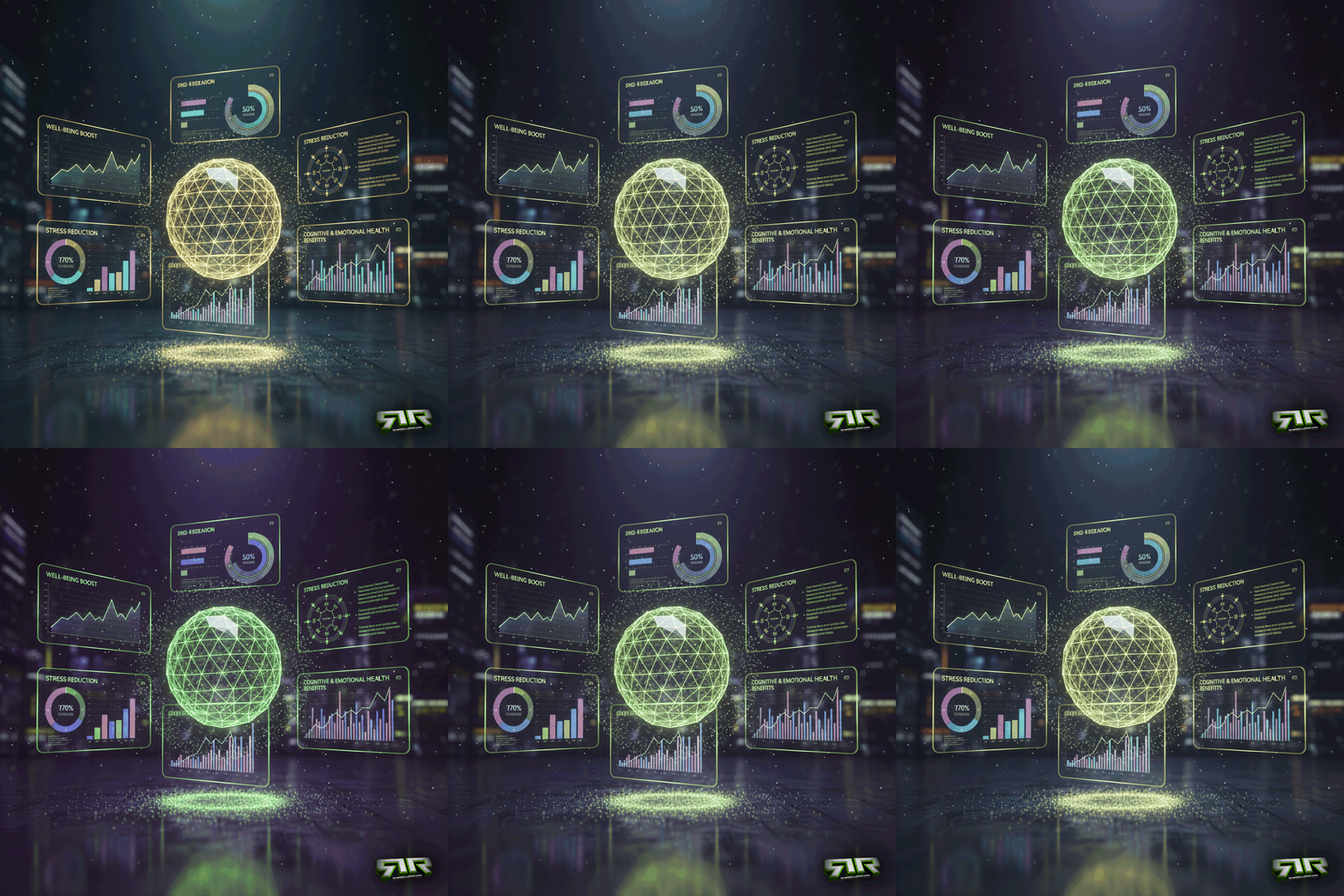
Hugging Day reminds the world that human contact is healing. A simple embrace reduces stress, builds trust, and releases oxytocin—the body’s love hormone.
In a digital age of emojis and texts, physical connection is sacred. Science now validates what spirit already knew: hugs restore balance and calm. This day celebrates closeness not as weakness, but strength—an act of emotional intelligence. The right hug says everything words can’t.
Vibes
Warm, compassionate, healing—touch with intention.
How to Celebrate
Hug loved ones, friends, or yourself
Volunteer or comfort those in need
Practice consent and respect boundaries
Share positivity—digitally or in person
Pulse Check
Who in your life needs a hug—and who deserves one from you?
Closeness is courage.
Interesting Facts
Hugging for 20 seconds boosts oxytocin and serotonin.
National Hugging Day was founded in 1986 by Kevin Zaborney.
Virtual hugs and haptic tech are redefining connection in the metaverse.
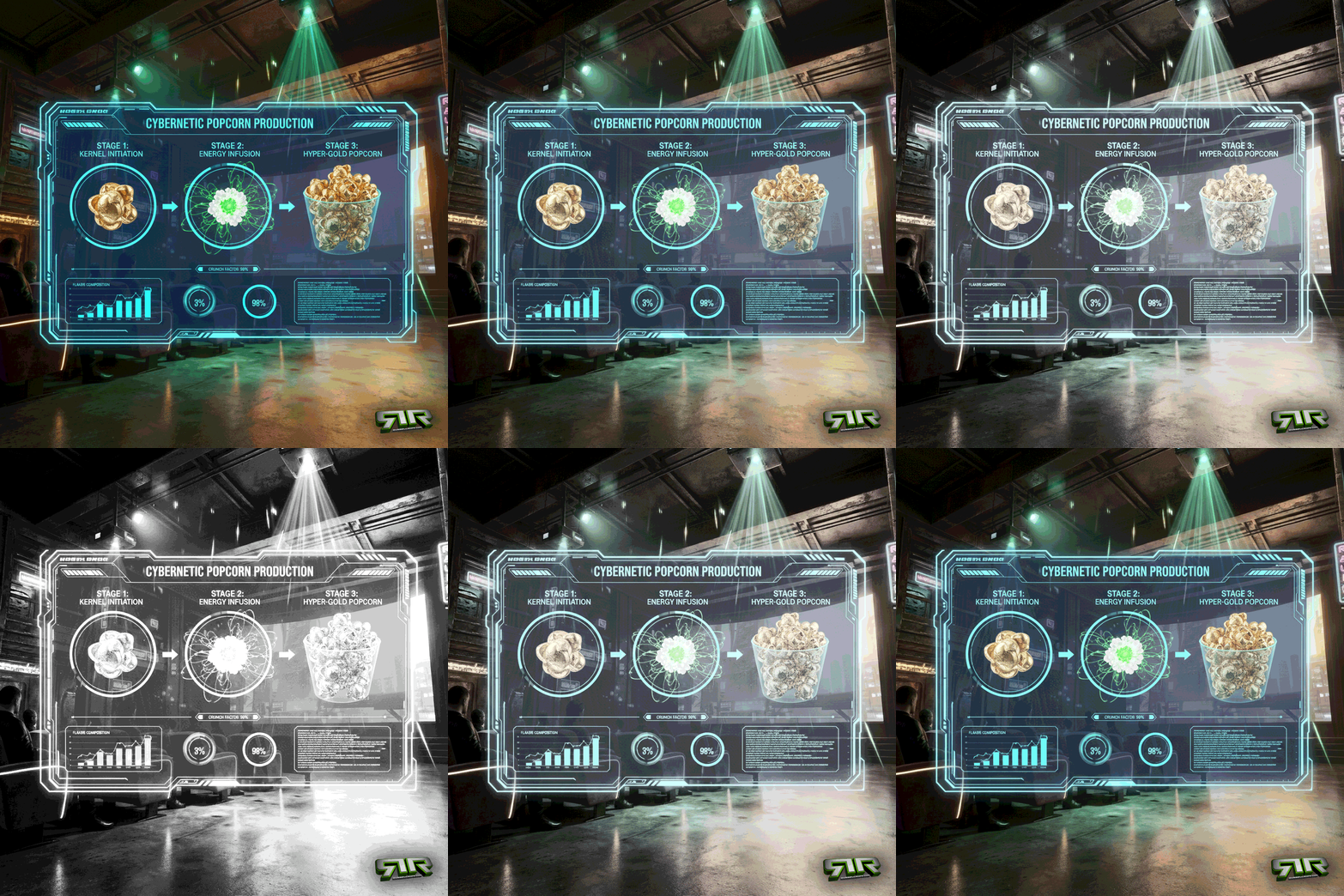
Popcorn Day celebrates the timeless snack that turned movie theaters into multisensory experiences. First domesticated over 5,000 years ago, corn became the canvas for culinary creativity—from caramel drizzle to chili dust.
Popcorn is both nostalgic and futuristic—simultaneously comfort food and cultural icon. It symbolizes storytelling, social bonding, and simple joy. The sound of popping kernels is more than hunger—it’s anticipation. Whether you’re streaming at home or watching in Dolby surround, this day reminds us: flavor, like story, is meant to explode.
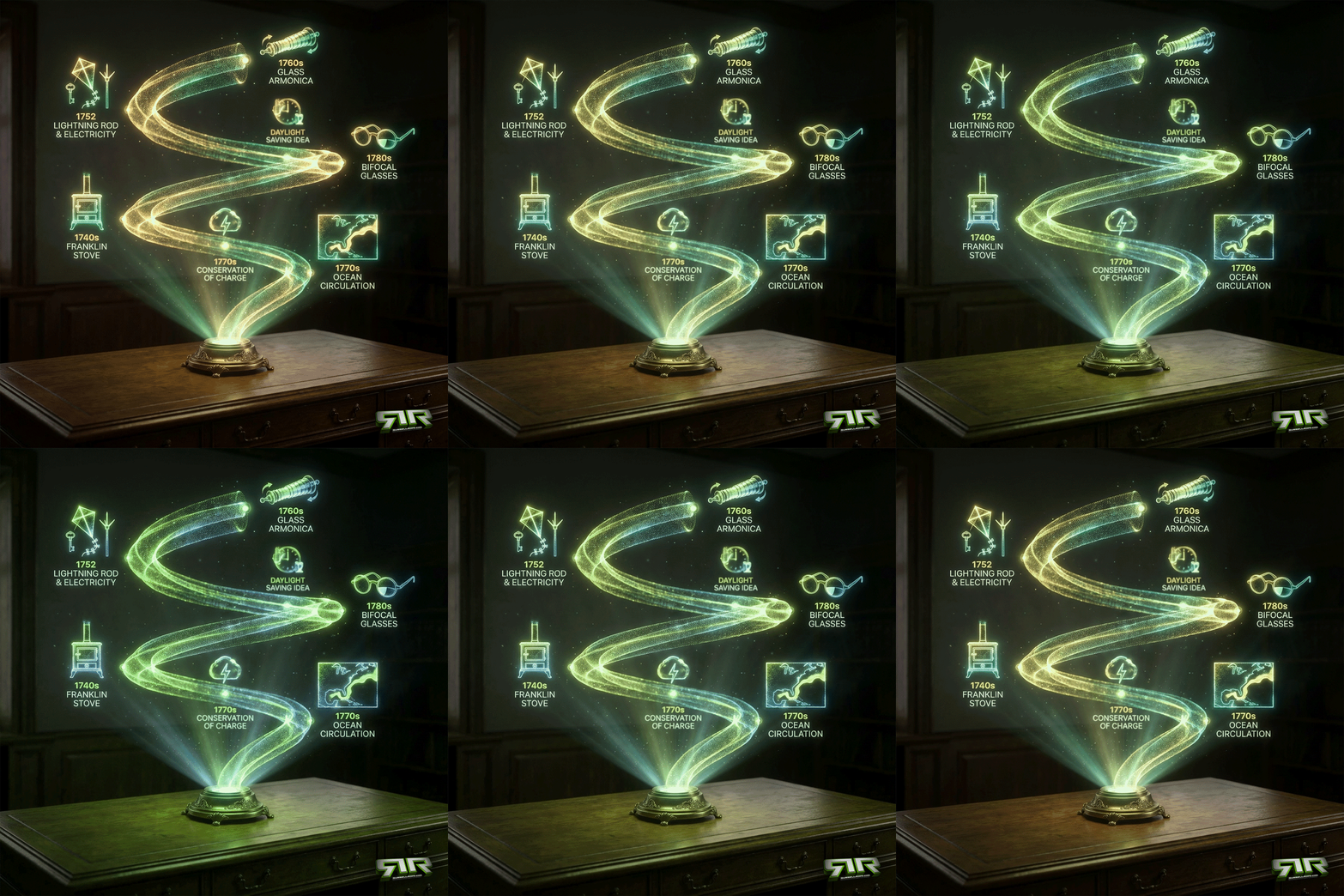
Benjamin Franklin Day celebrates one of history’s great originals—writer, scientist, inventor, diplomat, and visionary. His mind bridged curiosity and civic duty, proving that brilliance means nothing without purpose.
Franklin’s contributions spanned electricity, public libraries, and political philosophy. He embodied the American ideal of progress through practicality. In an era of specialization, his life reminds us to diversify thought—to be bold enough to master many things well. Franklin was the prototype of the modern entrepreneur: intellect fused with invention.
Vibes
Innovative, disciplined, wise—curiosity with structure.
How to Celebrate
Read Poor Richard’s Almanack or Franklin’s essays
Practice a “13 virtues” self-improvement reflection
Invent, build, or write something original
Study his civic legacy and contributions to science
Pulse Check
If time is money, how are you investing yours?
Productivity without purpose is wasted potential.
Interesting Facts
Franklin invented bifocals, swim fins, and the lightning rod.
He founded the first public library and fire department.
His face appears on the $100 bill as a symbol of innovation.
Benjamin Franklin’s 13 Virtues were his personal system for self-improvement. He created them in 1726 as a way to train character through daily reflection and discipline. He even tracked them in a notebook, focusing on one virtue per week.
Here they are, in his original spirit, with modern meaning:
Temperance Eat not to dullness; drink not to elevation. → Control excess. Clarity beats indulgence.
Silence Speak not but what may benefit others or yourself; avoid trifling conversation. → Speak with purpose. Less noise, more meaning.
Order Let all your things have their places; let each part of your business have its time. → Structure creates freedom.
Resolution Resolve to perform what you ought; perform without fail what you resolve. → Discipline is self-respect in action.
Frugality Make no expense but to do good to others or yourself; waste nothing. → Spend energy, money, and time with intention.
Industry Lose no time; be always employed in something useful. → Motion creates momentum.
Sincerity Use no hurtful deceit; think innocently and justly. → Truth builds power.
Justice Wrong none by doing injuries, or omitting the benefits that are your duty. → Strength includes fairness.
Moderation Avoid extremes; forbear resenting injuries so much as you think they deserve. → Power is controlled, not reactive.
Cleanliness Tolerate no uncleanliness in body, clothes, or habitation. → Environment affects the mind.
Tranquility Be not disturbed at trifles, or accidents common or unavoidable. → Calm is strategic advantage.
Chastity Rarely use venery but for health or offspring; never to dullness or weakness. → Master desire, don’t be ruled by it.
Humility Imitate Jesus and Socrates. → Wisdom starts with knowing you don’t know everything.
Franklin’s system was not about being perfect. He openly admitted he never mastered all of them. The point was constant improvement, not purity.
His method:
Track mistakes daily
Focus on one virtue per week
Repeat the cycle every 13 weeks
Let self-awareness drive growth
In modern terms, it’s an early version of:
Habit tracking
Stoic discipline
Self-optimization
Character engineering
This isn’t “self-help fluff.” It’s operational philosophy.
Franklin wasn’t trying to feel better. He was trying to become sharper, stronger, and more effective as a human being.
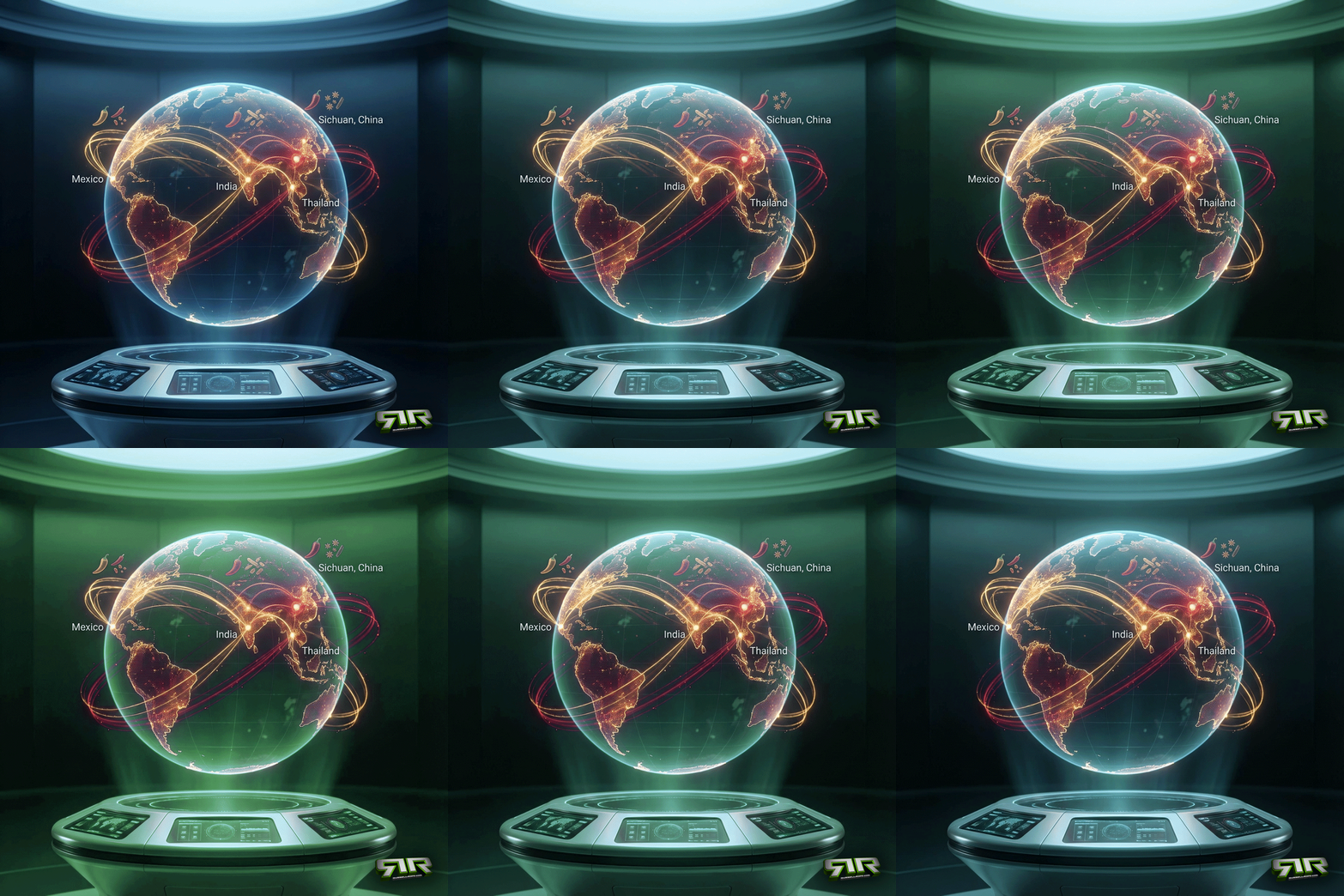
Spice has shaped civilizations—from trade routes to modern culinary arts. International Hot & Spicy Food Day celebrates capsaicin culture: flavor that wakes up the senses, releases endorphins, and unites the bold.
Whether it’s chili oil on noodles or habaneros in tacos, spice reflects human diversity and endurance. Heat forces presence—you can’t ignore it. It’s culinary adrenaline with cultural roots spanning Asia, Africa, and the Americas. This day invites you to savor discomfort as art, because sometimes growth burns before it enlightens.
Vibes
Fiery, flavorful, fearless—pleasure through challenge.
How to Celebrate
Cook or order your spiciest dish
Experiment with world spices like harissa, gochugaru, or chili crisp
Host a “heat challenge” with friends
Support local ethnic restaurants celebrating bold flavor
Pulse Check
Where do you need more spice—in your food or your routine?